Buying property in the Dominican Republic can be an attractive option for a vacation home, permanent residence, retirement, or real estate investment. But finding the right property involves more than choosing a beautiful view and an appealing price.
For a foreign buyer, the most important decisions often come before choosing a particular property. Where should you buy? What type of property fits your plans? How does the buying process work? What additional costs should you expect? And what should be checked before you commit to a purchase?
This guide brings those questions together in one place, giving you a clear starting point for exploring the Dominican Republic real estate market.
Why Buy Property in the Dominican Republic?
The Dominican Republic offers something that is increasingly difficult to find in more mature Caribbean property markets: a wide range of locations, property types, and price points within one country.
Some buyers arrive looking for a vacation home. Others are considering a permanent move, a retirement residence, or a property that can generate rental income. For many, the decision combines several of these goals.
The country’s climate and beaches are an obvious attraction, but lifestyle is only part of the picture. The Dominican Republic also has an established tourism industry, international airports, residential communities, and a real estate market that serves both local and international buyers.
This variety means that there is no single answer to the question of what makes a good property.
A beachfront condominium may be ideal for one buyer, while a private villa, a home in an established residential community, or a piece of land for future development may make much more sense for another.
The right purchase starts with understanding what you want the property to do for you.
Can Foreigners Buy Property in the Dominican Republic?
Yes. Foreign buyers can purchase real estate in the Dominican Republic, including apartments, condominiums, villas, land, and other types of property, subject to the applicable legal and tax requirements.
A foreign buyer does not generally need to be a Dominican citizen or resident simply to purchase property.
Property may be acquired in an individual’s name or, where appropriate, through a legal entity or another permitted ownership structure. The appropriate structure depends on the buyer’s circumstances and should be discussed with a qualified Dominican attorney.
The ability to purchase property, however, does not mean that every property is automatically a safe purchase.
The property itself needs to be investigated before the transaction is completed. Title, ownership, liens or other encumbrances, taxes, boundaries, permits, condominium documentation, and other relevant matters may need to be reviewed.
This legal review is particularly important for foreign buyers who may not be familiar with the Dominican property system. Independent legal advice can help identify problems before they become part of the purchase.
Foreign investment is protected under the Dominican Republic’s Foreign Investment Law, which gives international buyers the same rights as Dominican citizens. You can read the details in the U.S. State Department’s official report on the Dominican Republic’s investment climate.
Buying Property in the Dominican Republic: Where Should You Look?
The Dominican Republic is a large country, and property markets can differ considerably from one region to another.
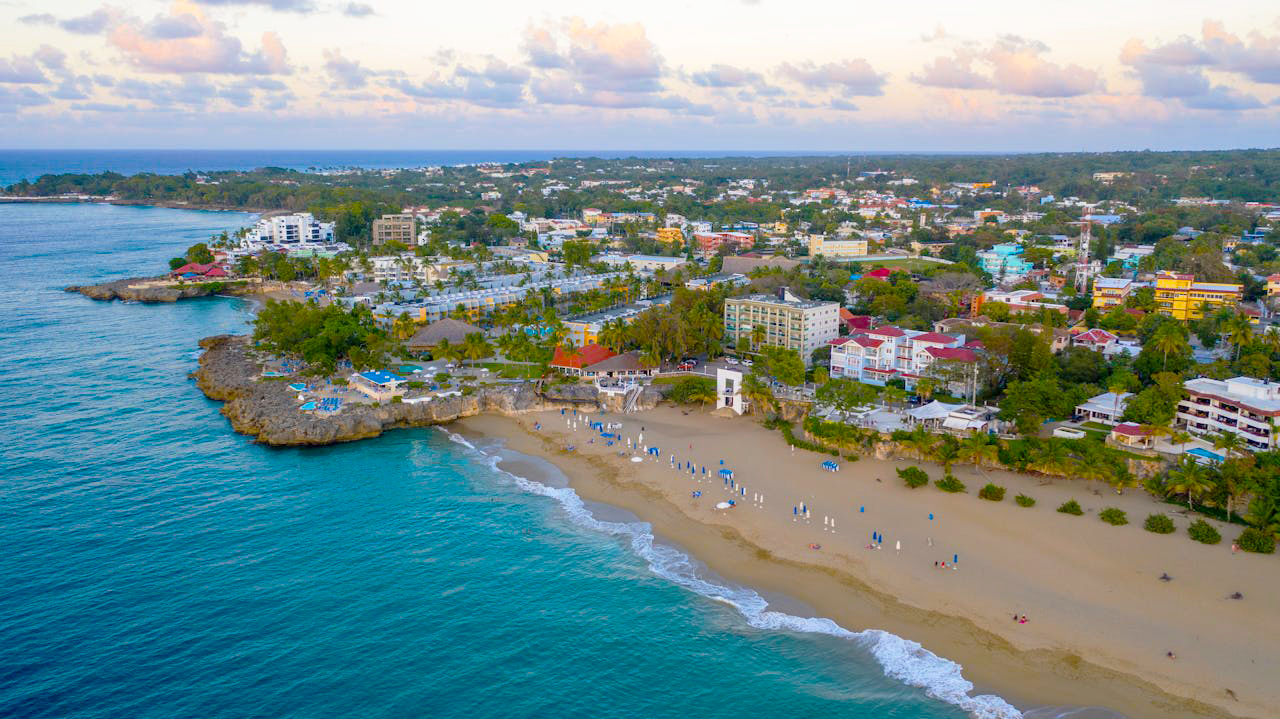
For international buyers interested in Caribbean living, the North Coast is one of the most established areas to explore. The region combines beaches, residential communities, tourism, restaurants, services, and an international population.
Sosúa
Sosúa is one of the best-known destinations on the North Coast for international property buyers.
The town offers beaches, restaurants, shops, residential communities, rental properties, and convenient access to Puerto Plata International Airport. The local Sosúa property market ranges from apartments and condominiums to private villas and higher-end residences.
Sosúa can be particularly appealing to buyers who want an established community and easy access to everyday services.
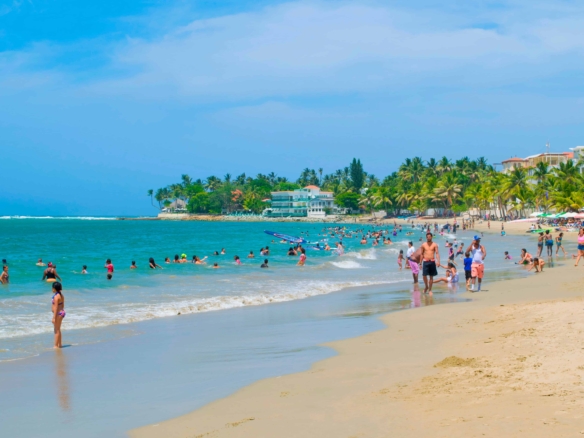
Cabarete
Cabarete has a different atmosphere.
It is internationally known for kitesurfing and other watersports, but its appeal goes well beyond the beach. The town has a strong outdoor lifestyle, restaurants, cafés, businesses, and a community that attracts international residents, entrepreneurs, remote workers, and active travelers.
Property options include beachfront and near-beach condominiums, apartments, villas, and investment properties.
Puerto Plata
Puerto Plata offers another type of North Coast experience.
As a larger city, it provides a broader range of everyday services, including healthcare, shopping, schools, transportation, and other infrastructure. The surrounding area also includes beaches, residential developments, resorts, and opportunities for both homeowners and investors.
Choosing between these locations is ultimately a question of lifestyle as much as property.
A buyer looking for a walkable beach community may have very different priorities from someone who wants a larger home, more privacy, or easier access to city services.
Location should therefore be considered before falling in love with a particular property.
What Type of Property Can You Buy?
Once you have chosen an area, the next question is what type of property best fits your plans.
Condominiums and Apartments
Condominiums are popular with buyers who want a relatively low-maintenance property and access to shared amenities.
Depending on the development, owners may have access to swimming pools, security, landscaping, parking, common areas, and property management.
This can be particularly convenient for buyers who live abroad and plan to use the property only part of the year.
The trade-off is that condominium ownership comes with association or maintenance fees and rules governing the use and upkeep of the development. Buyers should understand what those fees cover and how the community is managed before purchasing.
Private Villas
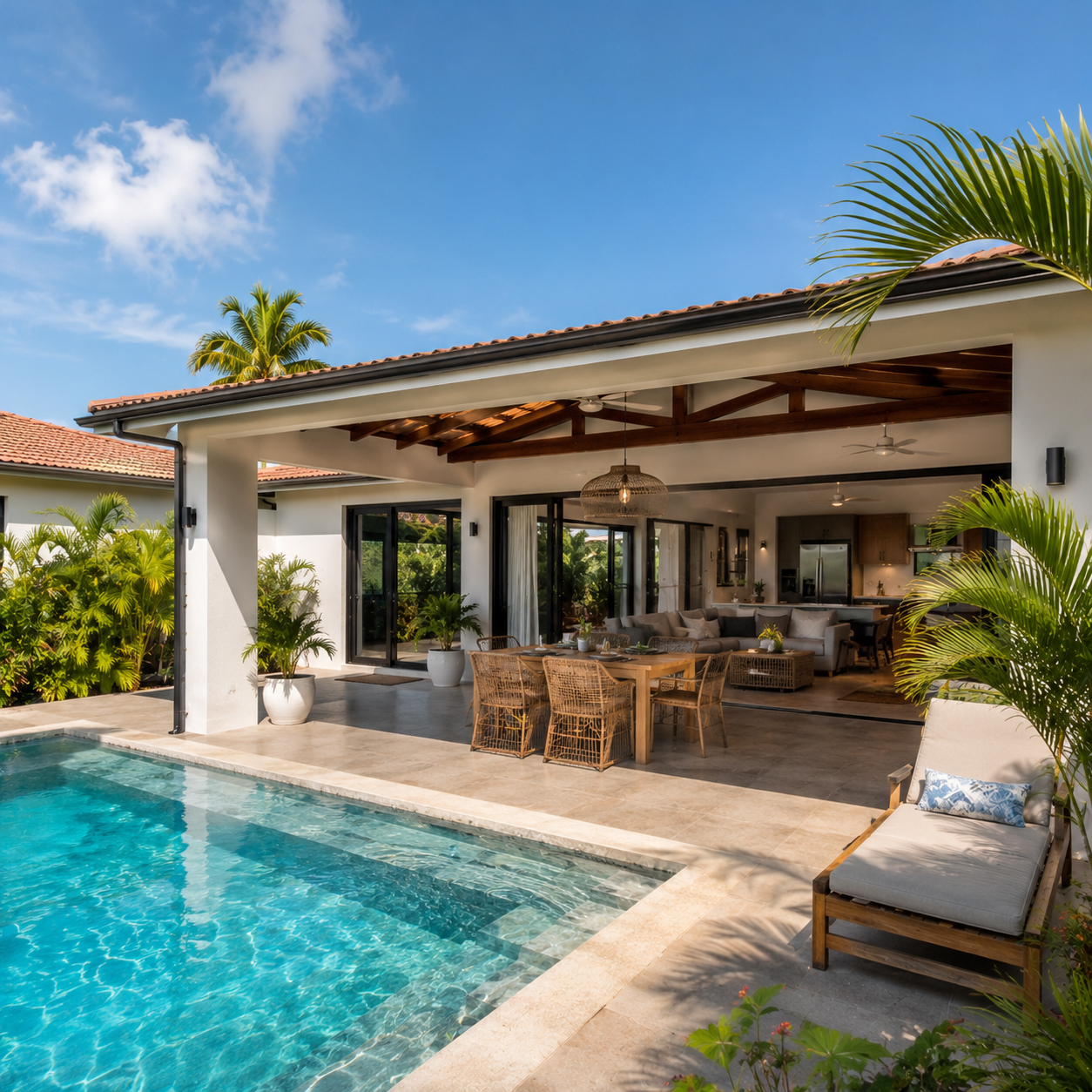
Villas offer a different ownership experience.
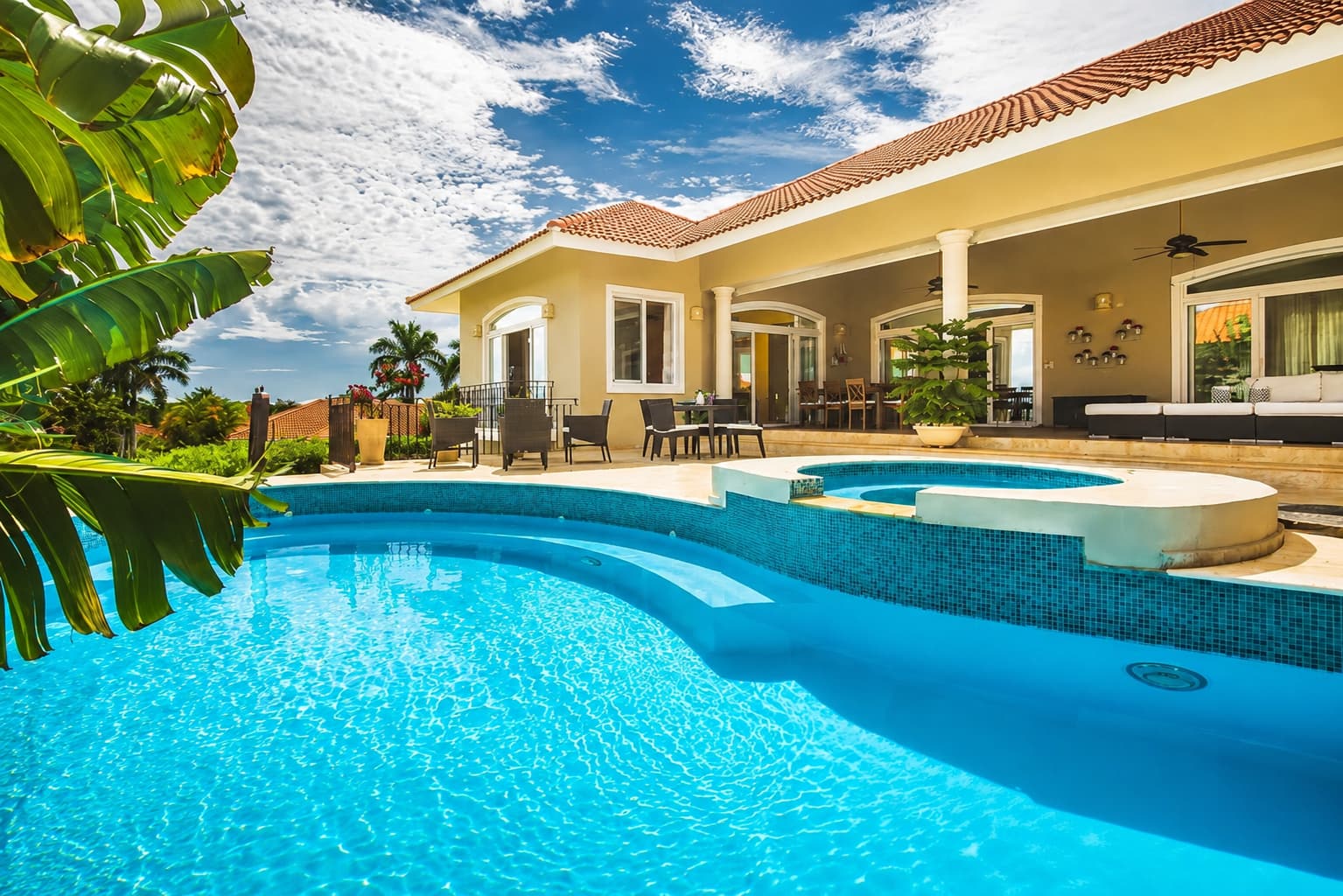
They generally provide more privacy and space, with greater control over outdoor areas, pools, gardens, and entertaining spaces. They can be especially attractive to families and buyers who plan to spend significant time at the property.
A private villa also requires more direct responsibility for maintenance, landscaping, security, utilities, and repairs.
For many buyers, the decision between a villa and a condo comes down to how they want to live and how much responsibility they want to take on.
Oceanfront and Ocean-View Properties
Properties near the ocean are among the most sought-after in the Dominican Republic.
But oceanfront, ocean-view, and properties located near the beach are not the same thing.
A property can have a beautiful ocean view without being directly on the water. Views can also be affected by surrounding construction and future development.
Buyers should therefore verify the actual location, access, views, surrounding land, and any factors that could affect the property over time.
Land and Development Property
Land can offer a different opportunity for buyers interested in building or developing in the future.
It can provide greater flexibility, but it also introduces additional questions about zoning, access, utilities, permits, construction costs, boundaries, title, and development restrictions.
Land should therefore be evaluated as a development opportunity rather than simply as a lower-cost alternative to a finished home.
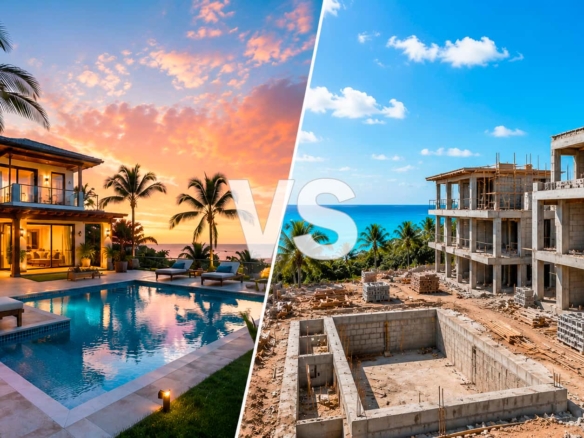
Resale Property or Pre-Construction?
Another important decision is whether to buy a completed property or purchase in a development that is still under construction.
With resale property, you can normally see the actual home, its condition, location, surroundings, views, and existing amenities before making a decision.
Pre-construction offers a different proposition. Buyers may be able to choose a property earlier in the development process and may benefit from developer payment schedules or introductory pricing. At the same time, the finished property cannot yet be evaluated in the same way as an existing home.
The choice between resale property and pre-construction depends on your timeline, priorities, financing, risk tolerance, and intended use.
For pre-construction purchases, it is particularly important to understand the developer’s track record, construction schedule, specifications, payment structure, delivery terms, and purchase agreement.
Neither resale nor pre-construction is automatically the better option. The important thing is to understand what you are actually buying and what risks and advantages come with it.
How Does the Buying Process Work?
The exact process can vary depending on the property and transaction, but most purchases follow the same general sequence.
Start by defining your purpose and budget.
A vacation home, retirement residence, rental property, and long-term investment can require very different approaches. Your budget should also account for expenses beyond the purchase price.
Next, explore the locations that fit your plans.
Spending time in different communities can reveal things that are difficult to understand from photographs alone. Traffic, noise, access to services, distance from the beach, surrounding development, and the general character of an area can all affect your decision.
Once you find a property that fits your requirements, the terms of the purchase are negotiated with the seller or developer.
Price is important, but it is not the only term that matters. Payment schedules, included furnishings, repairs, deposits, delivery dates, and other conditions can also affect the transaction.
The next stage is legal due diligence.
An independent attorney should review the property’s legal status and relevant documentation before you commit to the purchase. Depending on the property, this may include title, ownership, liens or encumbrances, tax status, boundaries, permits, condominium documentation, and other matters affecting the transaction.
This stage should never be treated as a formality.
Once the necessary checks have been completed and the conditions of the transaction have been satisfied, the purchase can proceed toward closing and registration.
The exact requirements depend on the transaction, which is why buyers should rely on qualified professionals familiar with the specific property and circumstances.
What Does It Cost to Buy Property in the Dominican Republic?
The purchase price is only one part of the cost of acquiring real estate.
Depending on the property and transaction, buyers may also encounter transfer taxes, legal and professional fees, registration-related expenses, notarial costs, condominium or community fees, insurance, property management, maintenance, utilities, furnishing, and renovation expenses.
The amount and type of these costs can vary depending on the transaction and the property.
This is why it is important to look beyond the asking price when comparing properties.
Two homes with similar purchase prices can have very different long-term ownership costs. A condominium with significant monthly fees, for example, may have a very different cost structure from a private villa that requires the owner to manage maintenance independently.
Understanding the total cost of ownership gives buyers a much clearer picture of what a property will actually require over time.
Buying Property as an Investment
For some buyers, the Dominican Republic is primarily a lifestyle purchase. For others, the property is also an investment.
Tourism creates demand for short-term accommodation in many coastal destinations, while long-term rentals serve residents and visitors who stay for extended periods.
But rental potential should be evaluated carefully.
Purchase price, location, property type, tourism demand, seasonality, competition, management, maintenance, condominium fees, insurance, taxes, furnishing, and expected occupancy can all affect the actual performance of a rental property.
A lower purchase price does not necessarily produce a better investment.
A property in a stronger location may cost more but have better rental demand, while a cheaper property may require more management or face greater competition.
The important question is not simply how much a property might earn.
It is whether the entire investment makes sense after considering the purchase price, operating costs, management, realistic rental income, and your long-term plans.
Buying Property for Retirement or Relocation
Not every buyer is looking primarily for investment returns.
For people considering spending much of the year in the Dominican Republic, everyday life can be more important than projected rental income.
Healthcare, shopping, restaurants, transportation, internet connectivity, access to the airport, walkability, community, maintenance, and proximity to the places you use regularly can all influence whether a property is suitable for full-time living.
A property that works well as a vacation rental may not necessarily be the right home for someone planning to live there permanently.
The same is true in reverse.
A quiet residential villa may be perfect for long-term living but less convenient for a buyer whose priority is short-term rental demand.
The best property is therefore closely connected to the life you intend to live after you buy it.
Common Mistakes Foreign Buyers Should Avoid
Buying property abroad is exciting, but some mistakes can turn a promising purchase into an expensive problem.
One of the most common is choosing a property because the price looks unusually attractive without understanding why it is priced that way. Location, construction quality, title, access, maintenance, rental demand, and surrounding development can all affect value.
Another mistake is relying entirely on the seller or sales representative for legal advice. The person selling the property and the professional protecting the buyer’s interests do not have the same role.
It is also easy to underestimate the cost of ownership. Maintenance, condominium fees, insurance, utilities, property management, and repairs can make a significant difference over several years.
Buying without spending enough time in the area is another risk. Photographs can show you the property, but they cannot tell you everything about the neighborhood. Visiting at different times of day can reveal traffic, noise, access, construction, and other details that may influence your decision.
Finally, buyers should be careful with projected rental returns. Occupancy, pricing, competition, seasonality, management, and operating expenses can all change the actual result.
A good property purchase is not simply about finding a property you like.
It is about understanding what you are buying and why it makes sense for you.
How to Choose the Right Property
By the time you are ready to make an offer, you should have a clear answer to several basic questions.
Why am I buying?
A vacation home, retirement residence, permanent home, rental property, investment, or some combination of these goals?
Where do I want to live?
Sosúa, Cabarete, Puerto Plata, another community on the North Coast, or a different part of the Dominican Republic?
What type of property fits my plans?
A condominium, apartment, private villa, ocean-view residence, land, or another type of property?
How much can I comfortably spend?
Not only on the purchase, but also on the costs of owning and maintaining the property.
How much involvement do I want?
A managed condominium may require less day-to-day involvement than a private villa.
How long do I expect to own the property?
A property purchased for a few years can require a different strategy from a home you expect to keep for decades.
These questions help turn a broad property search into a much more focused one.
A Practical Way to Start Your Search
You do not need to know exactly which property you want before beginning your search.
Start with the reason you are buying.
Then narrow down the region and the communities that fit your lifestyle.
After that, decide which property types make sense for your plans and establish a realistic budget that includes ownership costs.
Only then does it make sense to compare individual properties in detail.
This approach can save time and make it easier to recognize a genuinely suitable property when you find one.
Instead of asking whether a particular property is a good deal in isolation, you can ask a more useful question:
Is this the right property for what I am trying to accomplish?
Final Thoughts
Buying property in the Dominican Republic can be an exciting opportunity, whether your goal is a Caribbean home, a retirement residence, a vacation property, or a real estate investment.
Foreign buyers can purchase property in the Dominican Republic, but a successful purchase depends on much more than finding an attractive property.
The right decision starts with understanding the market, choosing the right location, selecting a property type that fits your plans, understanding the total cost of ownership, and completing proper legal due diligence before committing to the purchase.
There is no single best property in the Dominican Republic.
There is only the property that is right for your purpose, your budget, and the way you intend to live or invest.
Once you know what you are looking for, the Dominican Republic offers a wide range of possibilities — from a condominium near the beach to a private villa, an ocean-view residence, or a property purchased as part of a long-term investment strategy.
The most important step is to start with the right questions.